Rethinking Pediatric Brand Strategy in 2026
PUBLISHED: January, 2026
STATE OF THE INDUSTRY
HIGH HOPES.
HEAVY HEADWINDS.
UNSHAKABLE HEART.
THAT'S PEDIATRICS.
1
Hopes
Families are expecting more and children's hospitals are rising to meet them—expanding the very definition of what healthcare means when it comes to kids.
2
Headwinds
A sea of visual and messaging sameness, competing priorities and external pressures make it harder than ever to cut through the noise and earn trust.
3
Heart
Unlike any other, this industry runs on indomitable passion, courage and the relentless belief that every child deserves the best care possible.
CHALLENGE
Parenting has never been harder, and neither is earning parents’ trust.
With more barriers to pediatric access and rising misinformation, parents are looking for clarity and partnership from the few systems that truly show up for them.
Brands exist to unify:
turning who you are into something parents choose and return to.


Want to become a parent’s go-to?
2026 TRENDS
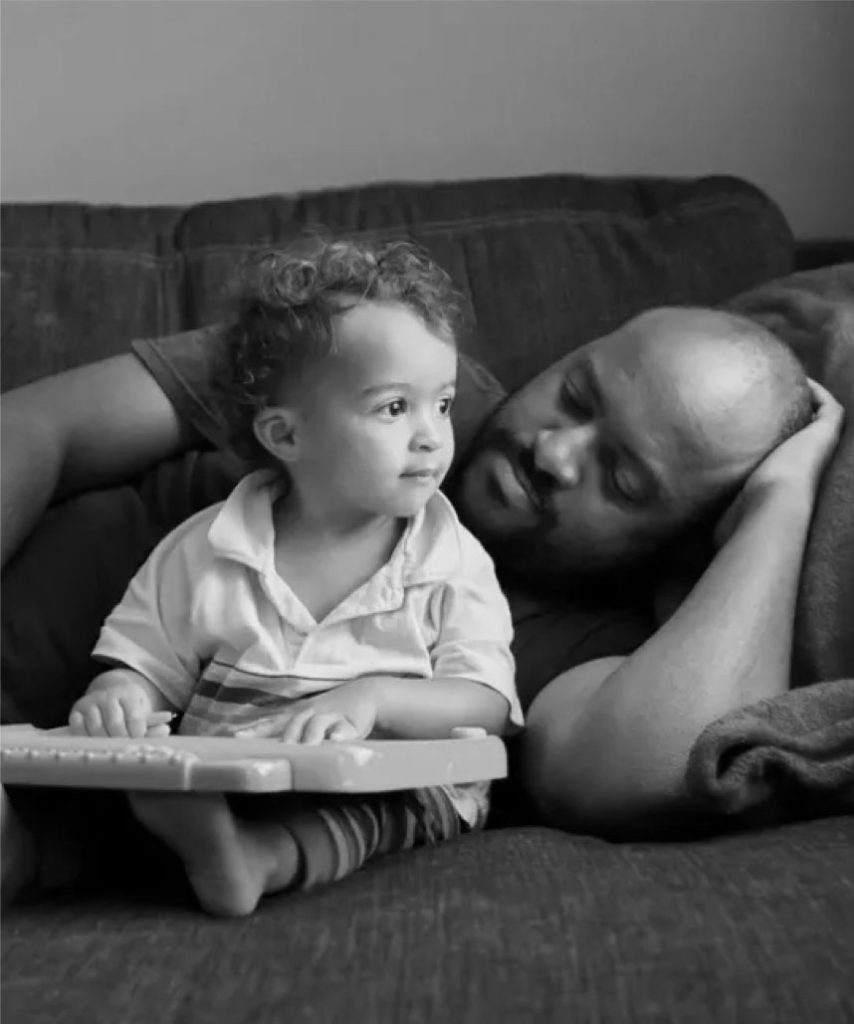
Parents look to hold onto their other identities.
Parents are many things, yet in healthcare, they’re often reduced to being “mom” or “dad.”
49% of parents spend two hours or less each week on themselves, and 12% say they have no time at all.
Honesty can cut through the noise.
The old brand promises—“we’re the best,” or “helping every family thrive”—sound sanitized, opening the door for more truthful representations.
When parenting is hard, which it inevitably is, parents tell themselves something’s wrong with them. This leads to shame, and then they freeze and get stuck.
Support systems are rare.
Parents report feeling less supported than ever, naming pediatric care as a main contributor to stress.
48% of parents say most days their stress is completely overwhelming, including children’s healthcare as a main contributor.
PARENTS LOOK TO HOLD ONTO THEIR OTHER IDENTITIES
POV #1: Parents aren’t just raising kids; they’re building a new part of themselves too.
TRUTH
Pediatrics is one of the earliest and most recurring areas where parenting identity is formed—not just at birth, but every checkup, every call, every emergency, every health scare. It’s where parents learn how they respond to uncertainty, what they value and who they rely on.
OPPORTUNITY
In healthcare, identity too often stops at “mom” or “dad”—the fastest way to earn trust is to prove how your expertise and capabilities help parents trust themselves, their care decisions, their style of parenting and integrate into who they are outside of being a caregiver.
BRAND ROLE
Understand the parents in and outside of parenthood—to allow them to care best for their kids, without disappearing in the process.
HONESTY CAN CUT THROUGH THE NOISE
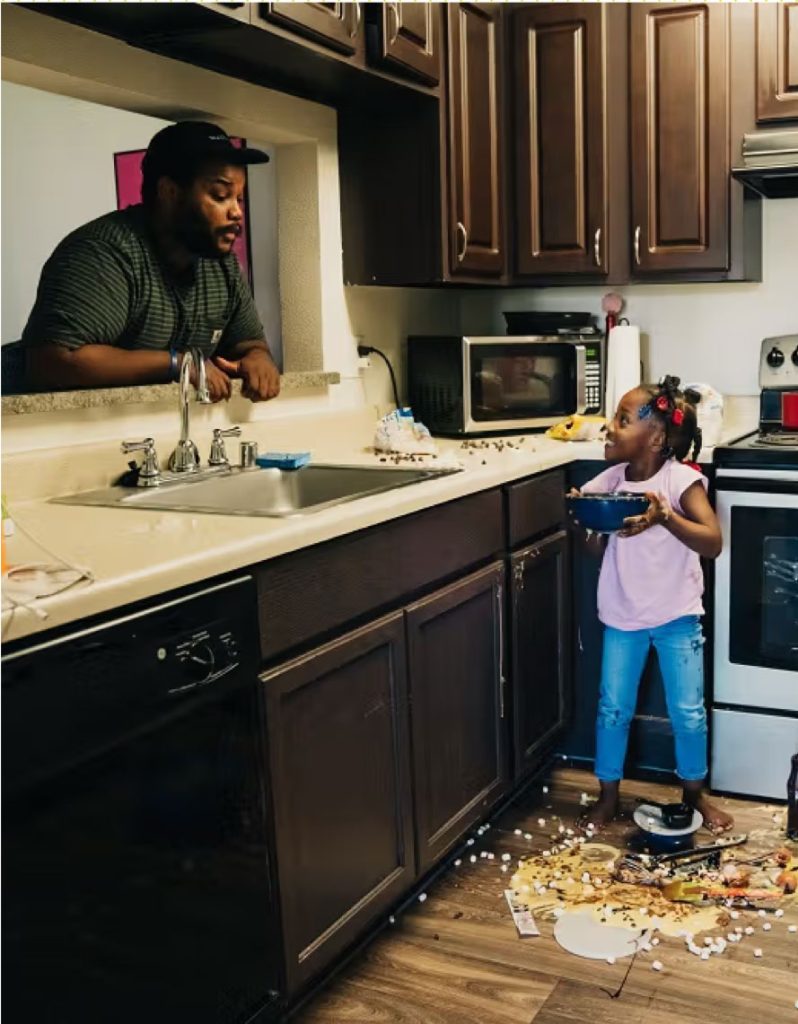
POV #2: Pediatric ads feel perfect.
Parenting isn’t.
TRUTH
Pediatrics is under a similar pressure parents are: to look perfectly capable, endlessly compassionate and unquestionably “the best” provider for the children they care for. But that polish is the problem. Parents don’t need to see another World News & Health badge or wholesome spot with a soft piano track. It’s about proving you get it.
OPPORTUNITY
For a pediatric brand, credibility won’t come from just being the most awarded or the most wholesome—it’ll come from showing they’re the closest to real life. The late nights, the breakthroughs and the quiet resilience give you the right to show childhood and parenthood as they really are.
BRAND ROLE
Be the genuine voice in an industry of curation. When everything is polished, authenticity becomes the highest form of reassurance.
SUPPORT SYSTEMS ARE RARE
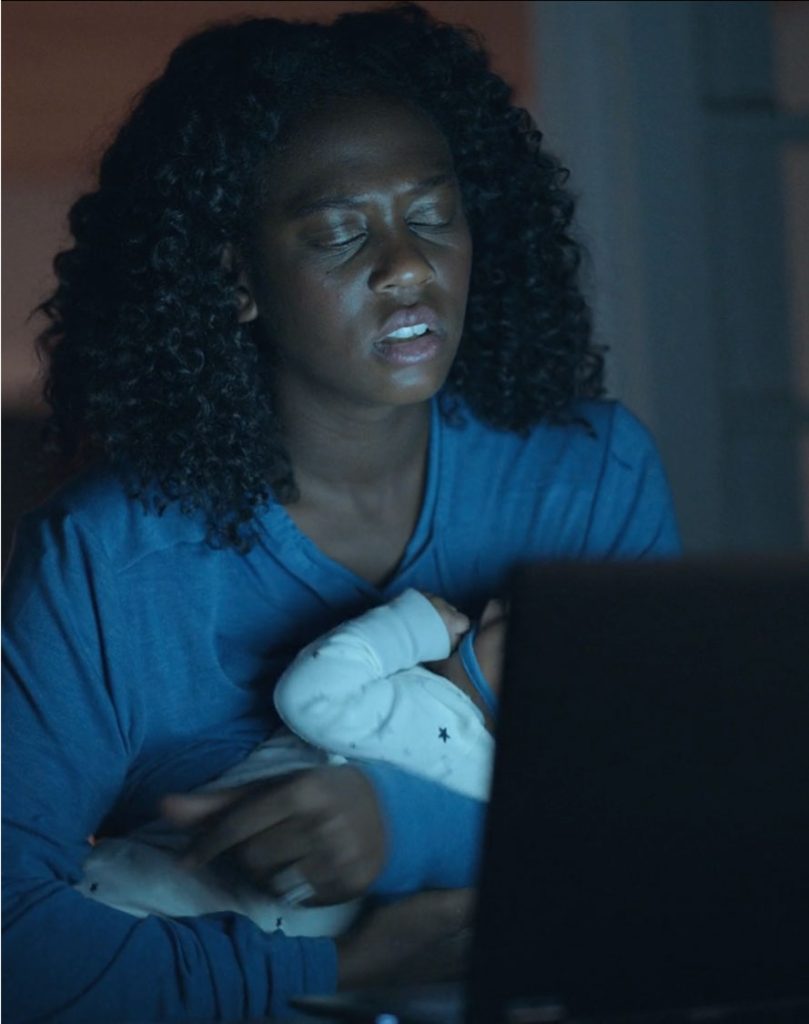
POV #3: Parenting can feel solitary.
Pediatrics can help bring the village back.
TRUTH
Parenting used to take a village. Parents are raising kids with less help than ever: less family support, fewer local pediatric options, less government guidance and less faith in institutions. They’re navigating modern childhood through Google searches, social feeds and fragments of advice—piecing together what used to come from trusted communities.
OPPORTUNITY
Position the pediatric system as a village. They’re already a network—a living ecosystem of specialists, staff and supporters connected by one goal: supporting and healing families. Because when everything else feels disconnected (family, government, society), the pediatric system can be the one place that still feels humanly connected.
BRAND ROLE
Be the network of care that raises up the humans who raise humans.
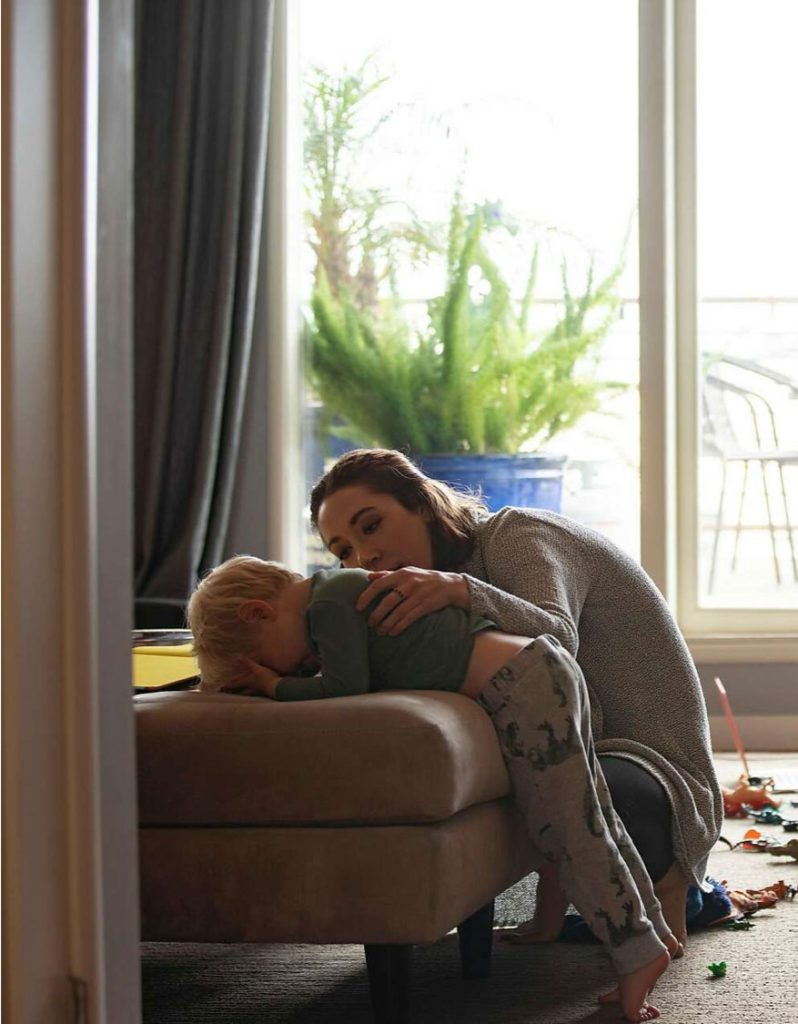
Three questions to ask about your brand:
Are you positioned to be part of parents’ support systems? How can you bring that to life creatively and meaningfully?
BRAND ACTIVATION
LET’S CONNECT.
Elena Kovac
Business Development Associate
TILT
108 Willits Street
Birmingham, MI 48009 US
[email protected]
TILTStory.com
M: +1 248-904-5635
O: +1 248-817-8687